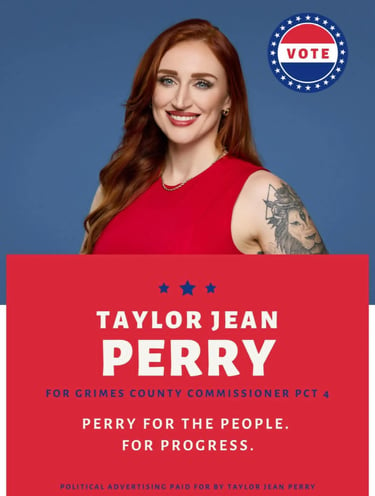
Taylor on the Issues
Message from Taylor about Technology and Power Projects
I’ve been vocal about data centers, the proposed SpaceX semiconductor facility, tax abatements, and other large-scale industrial projects that could have lasting impacts on our water resources, agriculture, infrastructure, and quality of life.
From the beginning, my concern has never been growth itself. My concern has been whether that growth is being managed responsibly and whether the people of Grimes County are receiving a fair deal in return.
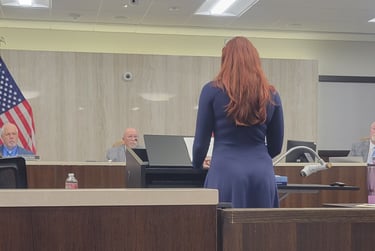
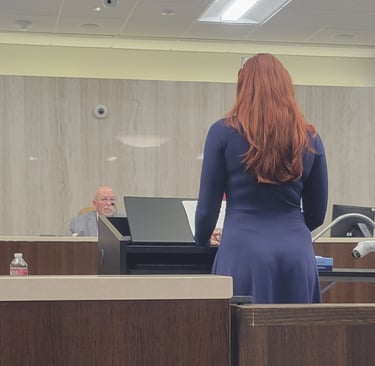
Ensuring that Grimes County receives benefits.
A 100% tax abatement raises legitimate questions. When a project of this scale comes into a community, residents have every right to ask what benefits are being guaranteed, what costs may be shifted onto taxpayers, and how our natural resources will be protected for future generations.
That said, the decision has been made.
Our focus now must be on ensuring Grimes County receives the benefits it deserves while protecting the people who already call this county home. That means demanding transparency, accountability, responsible water management, infrastructure planning, environmental safeguards, and meaningful economic opportunities for local residents.


Economic growth should not happen to us. It should work for us.
The success of this project should not be measured solely by dollars invested, but by whether it strengthens our communities, protects our resources, and improves the lives of the people who are already here.
I will continue advocating for responsible development, transparency, and policies that put Grimes County residents first..

Property Taxes
In Texas, counties are required by state law to levy property taxes to fund essential services like roads and bridges, law enforcement and jails, courts, emergency services, elections, and public records. A County Commissioner cannot simply vote to eliminate property taxes. That authority doesn’t exist at the local level. What does exist is responsibility over how the system is managed.
Property taxes have three key parts:
• Tax rate – what the Commissioners Court votes on directly
• Tax base – the total value of all taxable property in the county
• Spending discipline – decisions that reduce or increase future tax pressure


Supporting Our Local Police
On June 22, 2026, Navasota Police Department entered into a 287(g) Task Force Model agreement with ICE.
The Task Force Model is one of the more aggressive forms of cooperation between local law enforcement and ICE. Under this model, specially trained local officers can perform certain immigration enforcement functions under ICE supervision during the course of their law enforcement duties.
Learn more about the 287(g) program here:
https://www.ice.gov/identify-and-arrest/287g
Before anyone misinterprets my position, I fully support our police officers and appreciate the difficult job they do every day. My concern isn’t with the men and women in uniform, it’s with the politics surrounding how we choose to fund and support our police department.
If financial incentives are influencing decisions like this, we should be asking why our city isn’t investing more of our own tax dollars into public safety. Instead of continuing to approve raises for the City Manager while our police department looks to federal programs for funding opportunities and competitive pay, the City should make strengthening our police department a local budget priority.
There are also legitimate concerns that come with expanding local officers’ role into immigration enforcement. It can erode trust between law enforcement and parts of the community, make investigations more difficult if witnesses become afraid to come forward, and potentially expose the city to costly lawsuits if allegations of racial profiling or unlawful detentions arise. Whether those claims ultimately succeed or not, defending them can still cost taxpayers significant money.
This isn’t about being for or against immigration enforcement. It’s about asking whether this is the best policy for Navasota and whether financial incentives are driving decisions that should instead be based on what’s best for our community.
The public deserves answers:
- Why was the Task Force Model selected?
- Was federal funding a significant factor in the decision?
- What safeguards are in place to prevent civil rights violations?
- How will success be measured?
- Why aren’t we funding our police department well enough locally so they don’t have to rely on federal incentives?
Our officers deserve competitive salaries and the equipment they need because our community values them… not because they’re participating in a federal immigration enforcement partnership.


Real Tax Relief
Real taxpayer relief comes from expanding the tax base, not raising rates. The tax base grows when the county adds new taxable value, not by increasing the burden on existing landowners. That includes job-creating businesses, value-added agriculture, processing and logistics, and professional services enabled by broadband projects that pay more in taxes than they cost in services.
When the tax base grows, the same tax rate can fund roads, public safety, and infrastructure without raising taxes on homeowners and ranchers.
While commissioners don’t control individual appraisals, they do influence tax base growth through smart planning such as where roads are improved, whether broadband is expanded, and which projects receive county cooperation. Disciplined counties focus on value growth, not large projects that strain roads and emergency services faster than they pay for themselves.
Expanding the tax base is not being “pro–property tax.” It’s about spreading the cost of government across a broader, healthier base so no single group carries an increasing burden. Counties that fail to plan ahead eventually face only bad choices: raise rates, cut services, or defer maintenance until costs rise even higher.




Contact
Reach out to support Taylor's campaign today.
taylorperry4texas@outlook.com
© 2026. All rights reserved.